First of all, congratulations! If you’re about to commence your first type rating it’s likely that you have come a long way with your pilot licenses, instrument rating, and most likely also ATPL exams.
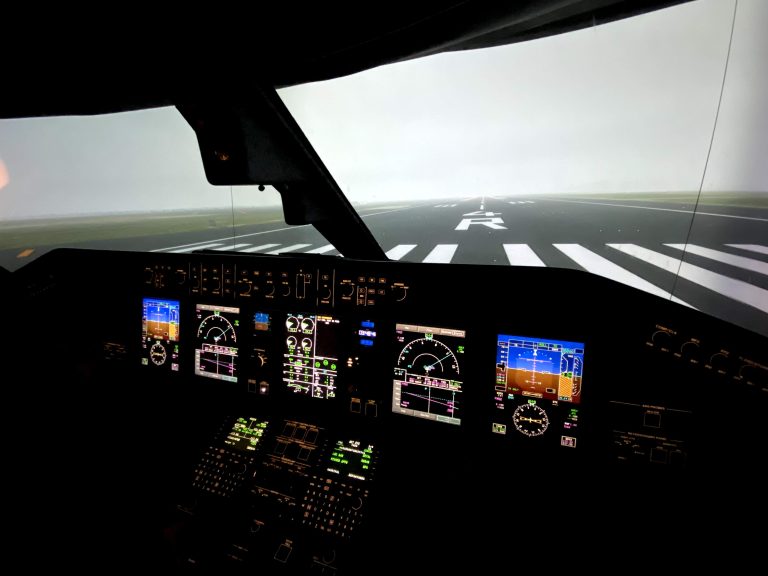
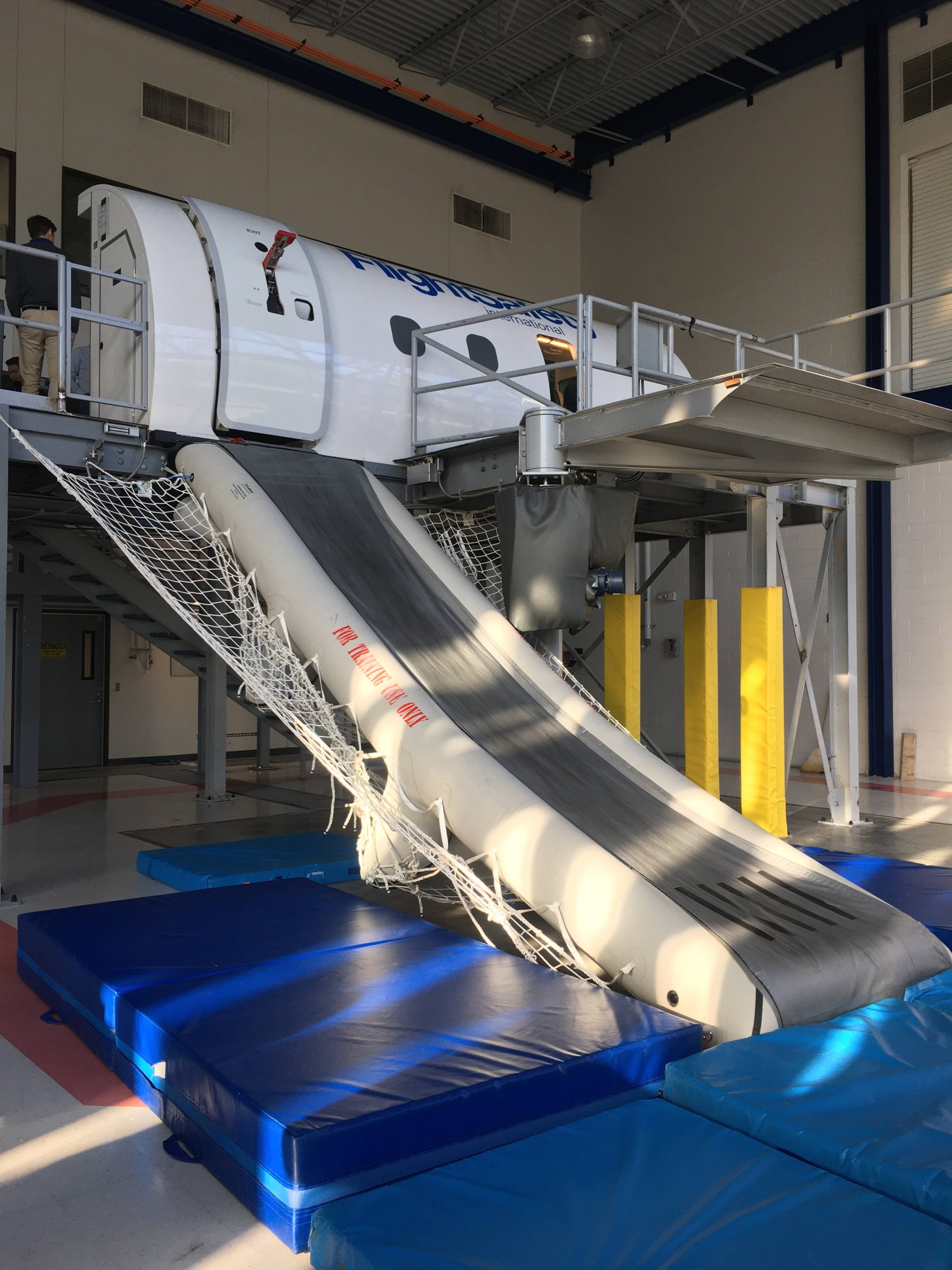
Including company induction and emergency procedures (2–3 weeks), technical ground school (2 weeks), and simulators (1–2 weeks), you can expect up to eight weeks of full time training.
You’ll normally be put up in a hotel or other type of company provided accommodation. Either breakfast or all meals will be provided. Your bedroom will have a study desk, and laundry facilities will also be available.
Assuming you are working for a P121 airline, after the type rating, you’ll be jump-seating a few sectors (aka observation flights) before starting line training. Once you commence line training, you’ll be conducting normal RPT operations with passengers but you’ll be flying with a line training Captain instead of a regular Captain until you’re assessed fully competent.
1. The six P’s
It’s essential that you do a certain amount of prior study. Fortunately nowadays it’s easy enough to get your hands on a PDF. Find someone who can send you at least the limitations section of the AOM/FCOM and write them onto study cards. Memorising those now will allow you to spend more time revising the aeroplane systems later on. After class you’ll have to revise the material taught on the day, do homework, and prepare for the progress exams — without any extra time accounted for to memorise airspeeds and weights.
As an added bonus of writing out the cards, you’ll have memorised half the items by the time you’ve finished making them!
I don’t recommend reading up on any systems before groundschool. That’s what the teachers are there for. Study limitations and if you can do even more, study the emergency memory items (aka Phase 1 actions) and read SOP’s.
2. Logistics
Taking a moment to plan out a few things, such as comforts (coffee, etc) and personal grooming (toiletries, laundry, ironing) before the course starts will give you more time to focus on study once things ramp up.
Packing list
- Study cards for your memory items (white for limitations and pink for emergencies).
- Two A4 notebooks. Page tabs. Highlighters.
- 3M Command velcro picture hanging strips (for your cockpit posters).
- Electrical power strip. HDMI cable.
- Laptop and iPad.
- Travel mug, water bottle.
- Fridge thermometer (bar fridges are terrible and without a thermometer your coffee milk will end up either frozen or off).
- Swimming and gym gear.
Supermarket trip on arrival
- Laundry powder. Toiletries.
- Coffee & Tea supplies. Snacks.
- Dishmatic. Dish detergent. Disposable surface wipes.
Set up your hotel address (including room number) in your Amazon Prime account — you will probably be ordering a few things if you’re far from home, and nothing beats the convenience and time saving of Amazon next day delivery.
3. The paper tiger
Use Command velcro stickers — this ensures you don’t damage the wall or the poster. The poster-side of the velcro can stay attached indefinitely even after relocation.
As your sim date approaches, spending an increasing amount of time every day practicing flows will make your sims oh-so much easier, since you’ll be able to focus all your time and efforts into the exercise at hand as opposed to having long pauses trying to figure out the basics.
You can purchase good quality cockpit posters from www.avsoft.com.
Beware if the training provider says they’ll provide you a poster for free, as it will probably be much smaller and not as useful.
4. Understand the QRH
After the systems course, reading the entire QRH and understanding why the procedures tell you to do things, will deepen your understanding of the aircraft and its systems. Another way of looking at the problem and deepening your understanding is going through each warning light and analysing “if this light is illuminated, what’s actually happening?” — “Does this light indicate that the switch is on, that the system is on, that the switch is off, that the system is off, or that the system has failed?”
To be able to follow the QRH in a simulated or actual emergency you can’t be looking at the QRH page for the first time ever, because you’ll waste too much time interpreting. Knowing where to find the tables and other data that corresponds to a particular QRH procedure will be beneficial also.
5. Be fluent in failure management
Standard failure management
Whether your company has a standard failure management system or not, you should have a system to go beyond the memory items and QRH. Example of a sound failure management system:
- Identify failure
- Memory items
- Check performance
- Check circuit breakers
- Emergency checklist (red)
- Abnormal checklist (yellow)
- Talk to the ground (ATS, company)
- Talk to the back (FA, PAX)
- Divert or continue
- Normal checklist (white)
Before any failure management can begin, the flight path of the aeroplane must be assessed, understood and maintained. This must be continued throughout the process.
The PF maintains a safe and appropriate flight path, and only calls for the appropriate failure management when he/she is ready and able to be slightly distracted from the primary task of flying the aeroplane.
“It is of the utmost importance that the aeroplane is being actively flown by one pilot whilst the other pilot conducts the failure management actions.”
Once the process is finished, it is important that the PF bring the PM back into the loop as to the flight path and position of the aeroplane in time and space. Some failure management will have the PM completely distracted for a period of time, and when they “come back”, it is helpful to give a good explanation as to where you now are etc. so they can rebuild their mental model and improve their situational awareness.
Decision making models
Beyond the basic failure management system above, which deals with “standard” emergencies that are practiced in the sim, there are aviation decision making models to help you deal with more complex situations. There are a range of possible mnemonics, but they boil down to the following:
- Diagnose what the problem is
- Generate options
- Decide on the best course of action
- Delegate duties, communicate with stakeholders
- Review and re-assess
Written by David Roses, February 2022. Not sponsored by any interested parties.