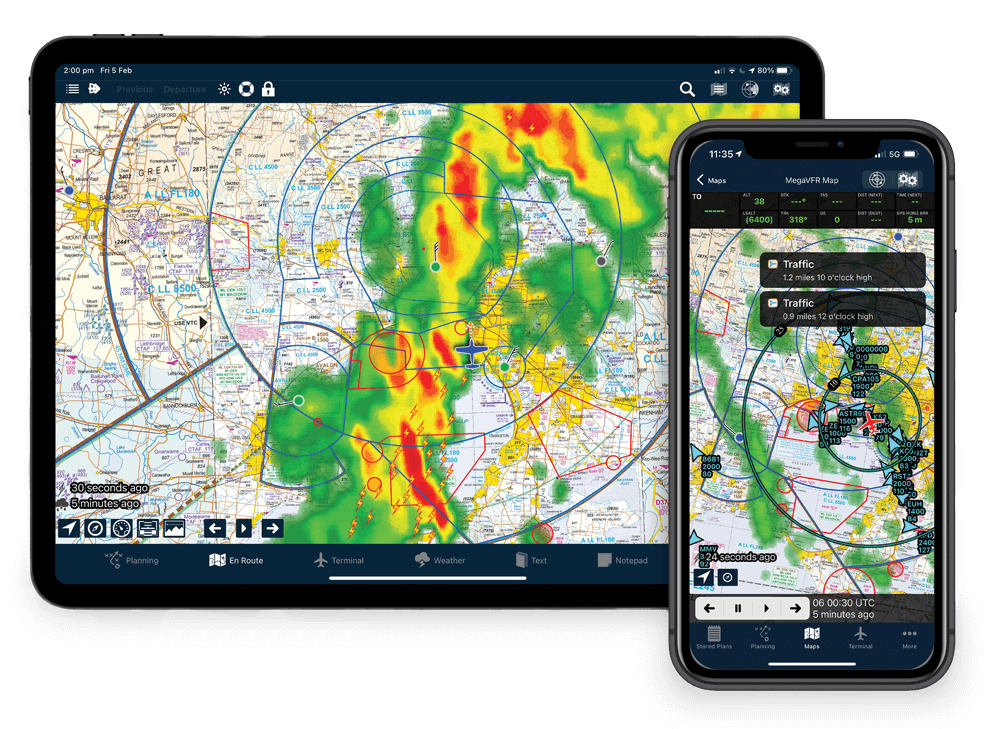
Every Australian pilot eventually faces the same question, usually about a week into training or the day a paper chart subscription lapses: AvPlan or OzRunways? They are the two electronic flight bags that dominate Australian cockpits, both born here, both built around CASA charts, the AIP and NAIPS from day one. Having flown with both, here's an honest look at where each one shines in 2026.
The shared ground
First, the reassuring part: you can't make a bad choice. Both apps deliver the full Australian data set — current charts, ERSA, AIP and approach plates — with moving-map navigation, weather overlays, weight and balance, traffic display via ADS-B receivers, and flight plan submission straight to NAIPS. Both run on iOS and Android, both offer free trials, and both cost broadly similar money: think low hundreds per year for VFR, roughly double for full IFR tiers. The differences are about philosophy, not capability.
OzRunways: the popular one
OzRunways is the market leader, and the reason is simplicity. The interface is famously "point and shoot" — tap the map, rubber-band a route, go flying. For VFR touring it's hard to beat, and its network traffic feature, which shares the position of other OzRunways users over the internet, adds genuine situational awareness in busy training areas. It's also the app you'll most often find standardised across flight schools and commercial operators.
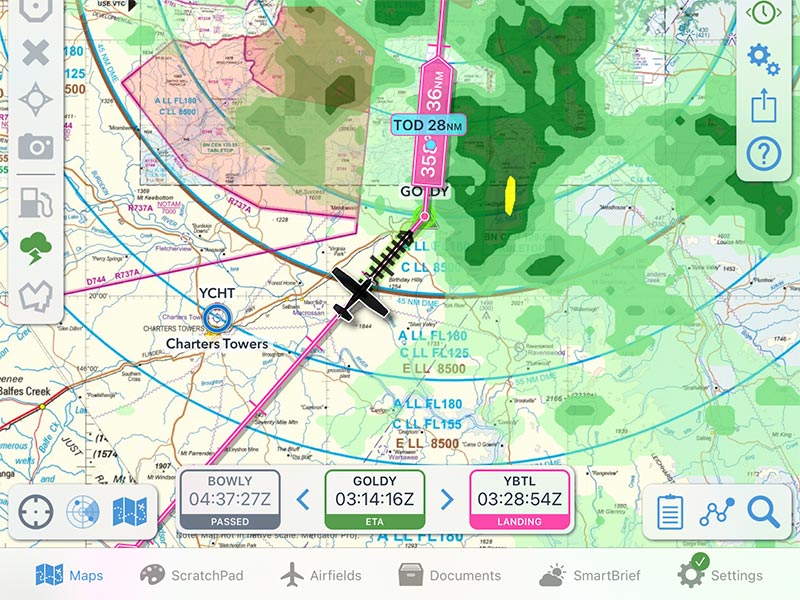
The big news is ownership. Boeing bought OzRunways back in 2021, and in late 2025 it was sold again — bundled with Jeppesen and ForeFlight into a new standalone company, Jeppesen ForeFlight, owned by US software investor Thoma Bravo. That puts serious resources and ForeFlight's technology behind the app. It also means decisions about its future are now made a long way from Adelaide, and time will tell what that does to its distinctly Australian character.
AvPlan: the planner's app
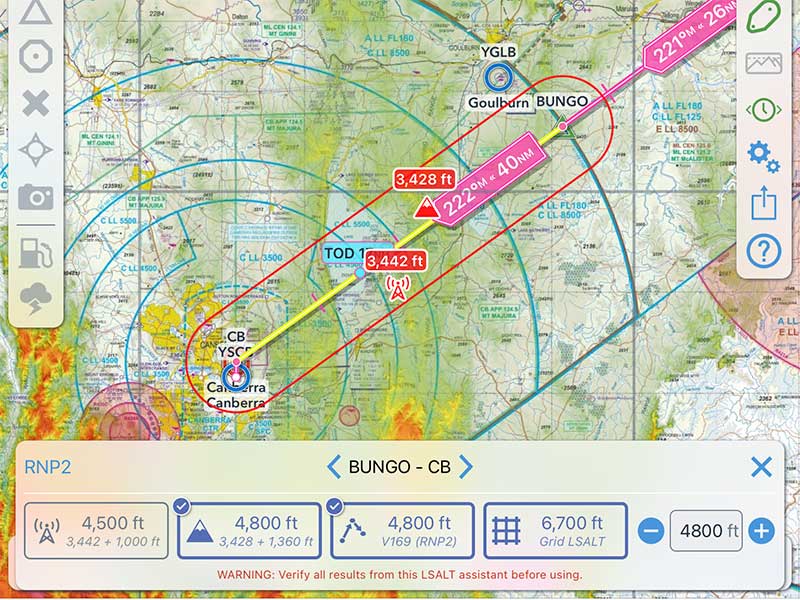
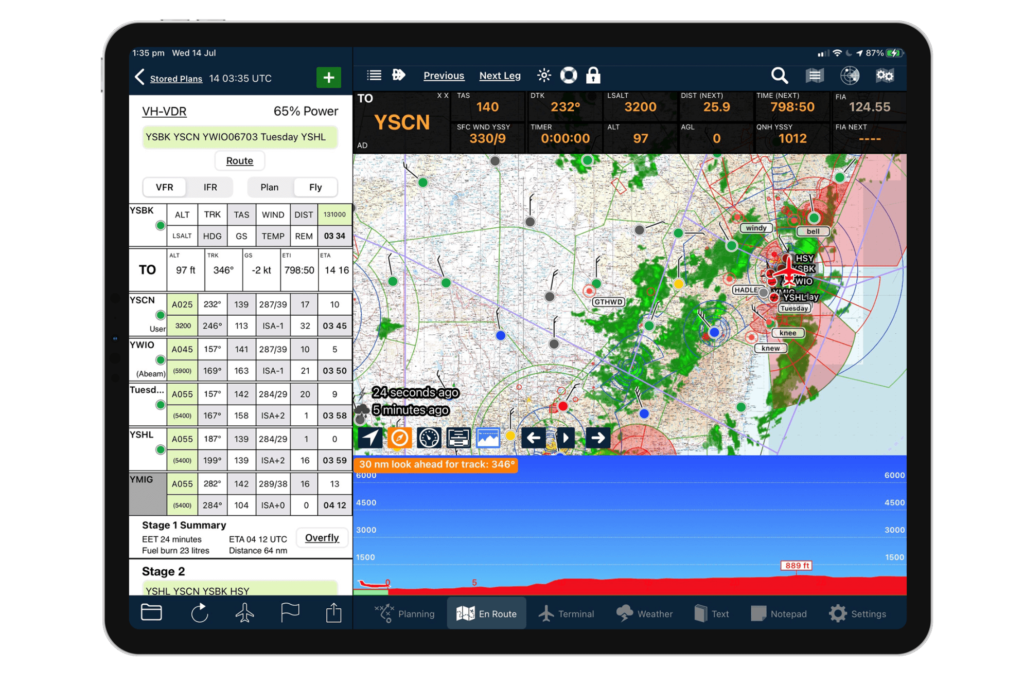
AvPlan, built in Melbourne and still independent and Australian-owned, takes the opposite approach: depth first. Its flight planning engine is the most capable in the country — detailed fuel planning, sophisticated weight and balance profiles, strong IFR workflow and route handling that genuinely saves time on complex, multi-leg operations. The learning curve is steeper, and the interface asks a little more of you up front, but the payoff is real once the flying gets serious.
AvPlan's other trump card is famously personal support — there's a phone number, and an actual human answers it. For many pilots, that alone has decided the contest.
The verdict
For the VFR pilot who wants to plan a weekend trip in two minutes and have everything just work, OzRunways is the smoother experience and the safer recommendation. For the IFR, charter or serious cross-country pilot who treats planning as half the craft, AvPlan rewards the investment and remains the power user's choice — with the quiet bonus of keeping your subscription dollars with the Australian independent.
The smartest move? Both apps offer free trials, so fly a month with each before you commit. And plenty of professional pilots simply carry both — two independent apps on two devices is cheap redundancy in a world where one frozen iPad shouldn't end your day. Against everything else aviation costs, a second EFB subscription is loose change.
Whichever way you go, keep the app updated, keep your charts current, and remember the EFB is an aid — the licence to use it well still lives between your ears.
Further reading
- OzRunways — product, pricing and trial details
- AvPlan EFB — product, pricing and trial details
- Jeppesen ForeFlight — announcement of the Thoma Bravo transaction including OzRunways, completed November 2025
This article is general information and reflects both products as at June 2026 — features and pricing change frequently, so check both vendors' sites for current details. FlightTest.Net has no commercial relationship with either product; this comparison is not sponsored. Written by David Roses. Not affiliated with CASA.