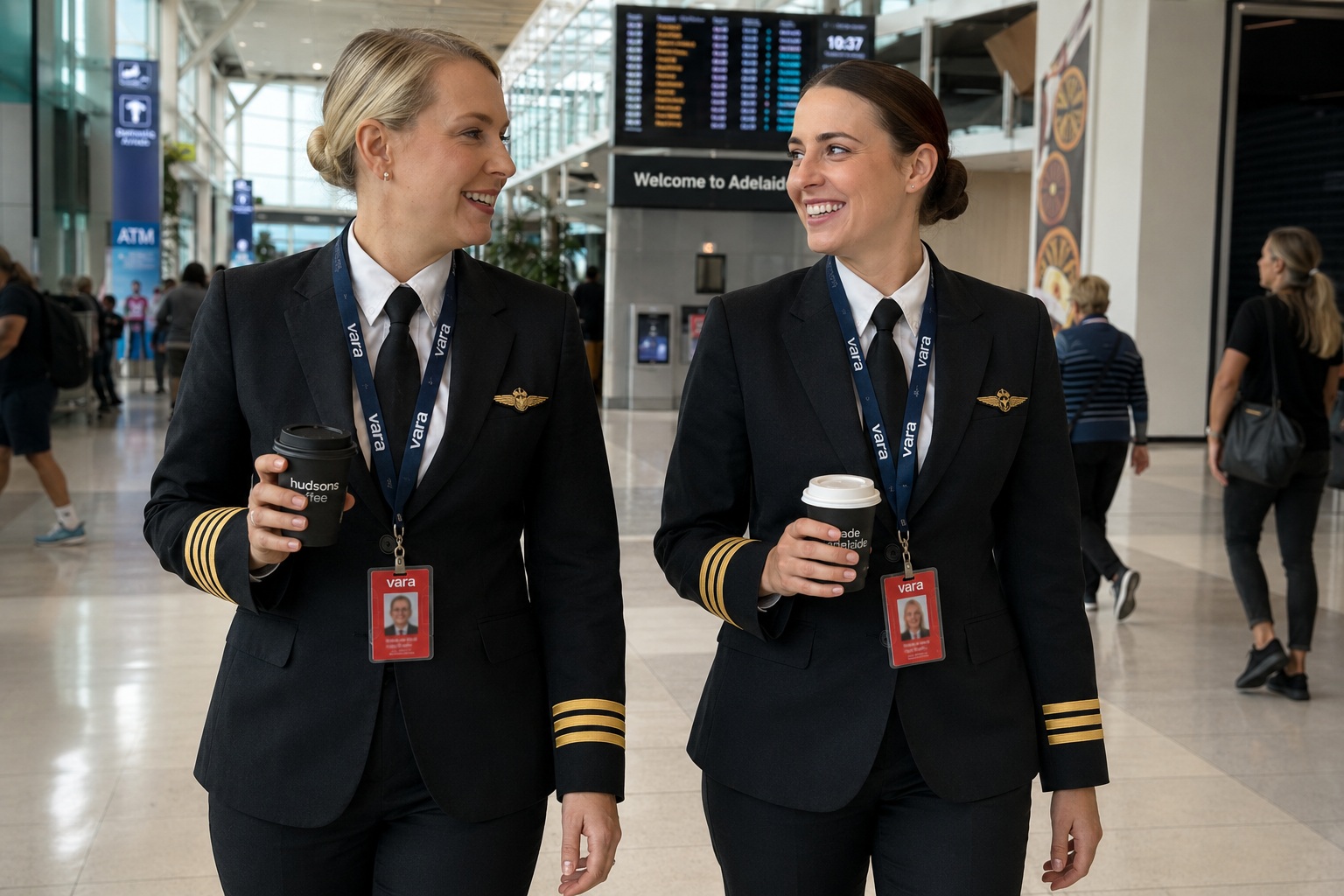
The Aviation Security Identification Card is nobody's favourite piece of plastic. It's expensive, it expires with uncanny timing, and it involves paperwork that feels designed as a patience test. It is also completely unavoidable: under the Aviation Transport Security Regulations, administered by the Department of Home Affairs, every current pilot — and every applicant for a flight crew licence — must hold an aviation security status check. For most of us, that means an ASIC. Here's how the system works, what it costs, and how to stop it ever grounding you.
ASIC or AVID?
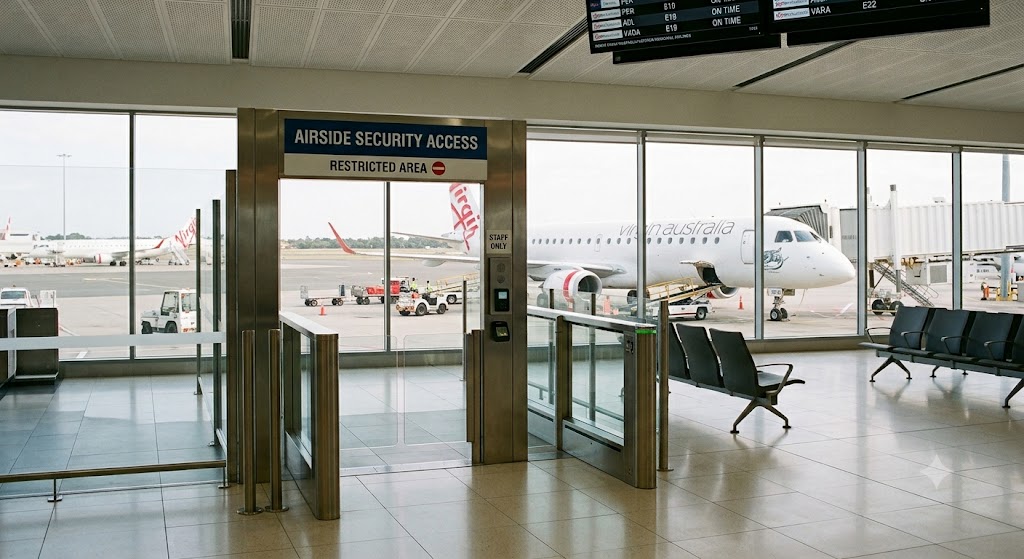
There are two ways to satisfy the security check. The ASIC is the full product: it proves you've passed an AusCheck background check (ASIO assessment plus criminal history) and it lets you operate at security-controlled airports — which includes every RPT airport and most capital-city training fields. A red ASIC covers airside secure zones Australia-wide; a grey ASIC covers secure areas other than airside.
The alternative is the AVID (Aviation Identification), a cheaper check available through CASA for licence holders aged 18 or over with a current medical. The catch is significant: an AVID cannot be used at security-controlled airports. It suits pilots who genuinely operate only from country strips and private fields. Fly anywhere near an RPT service, or plan a commercial career, and the ASIC is the only sensible choice.
Student pilots: don't let it delay your solo
If you train at a security-controlled airport — Moorabbin, Bankstown, Camden, Archerfield, Parafield, Jandakot and most metro training fields — you must hold an approved background check before flying solo as pilot in command. AusCheck processing takes weeks, sometimes longer. Lodge your ASIC application on day one of training, not when your instructor starts talking about solo flights.
Flight schools can bridge short gaps with Visitor Identification Cards (VICs), but a VIC is a stopgap capped at 28 days in any 12-month period, not a plan. To apply you'll need an Aviation Reference Number first, then an application through an issuing body with certified identity documents and an in-person ID check.
One more wrinkle: pilots under 18 must hold an ASIC — the AVID route requires you to be 18 or over. Young students should factor this in early.
Commercial pilots: the red card is career equipment
For working pilots the ASIC is as fundamental as the licence. Airline, charter and most aerial-work flying happens at security-controlled airports, so employers expect a current red ASIC at interview, at induction, and every day thereafter — turning up to a flying job with an expired card is a rostering problem you don't want your name on.
Wear it visibly (above the waist is the convention) whenever you're in a secure area, report a lost or stolen card immediately to your issuing body, and treat the expiry date like a medical: tracked, diarised, renewed early.
Applying and renewing: the practical bits
ASICs are issued not by CASA (which stopped issuing them a few years ago) but by approved issuing bodies — Home Affairs publishes the list. Aviation ID Australia and Veritas are the big pilot-facing issuers, and some airports and operators issue their own. The process: apply online, supply identity documents, prove your operational need, complete the in-person ID check, and wait for AusCheck to clear you. The card is generally valid for two years from the month your background check is approved — note, approved, not from your old card's expiry — so a renewal lodged absurdly early quietly shifts your whole cycle forward.
Budget properly for it. In mid-2026 an all-inclusive red ASIC through a major issuer runs around the $500-plus mark, and the Government's AusCheck component nearly doubled (from $240 to $465) for applications lodged from 1 July 2026 — check current pricing rather than trusting a mate's invoice from last year.
For renewals, the drill is simple: start two to three months before expiry, since your new card can't be printed until AusCheck approves you and there's no fast lane for the disorganised. When the new card arrives, your expired card must go back to the issuing body — issuers include a reply-paid envelope for exactly this. And if your circumstances change between renewals, you have reporting obligations under the scheme — the AusCheck website spells them out.
None of this is difficult. It's just unforgiving of procrastination. Lodge early, renew early, and the ugliest card in your wallet will never be the reason you're watching someone else fly your sector.
Further reading
- AusCheck — Apply for an ASIC — the official application overview, identity document requirements and the issuing-body search tool.
- AusCheck — ASIC issuing bodies — the current list of approved organisations that can issue your card.
- AusCheck — Managing your ASIC — display requirements, reporting obligations and card-return rules.
- CASA — Security requirements for pilots — the ASIC/AVID distinction explained, including AVID eligibility and application details.
- Aviation ID Australia and Veritas (asic.net.au) — major pilot-facing issuing bodies with online applications, current pricing and FAQs.
This article is general information current as at July 2026. AusCheck fees and processing times are subject to change — check auscheck.gov.au for the latest details before applying. Published in June 2026. Not affiliated with CASA or the Department of Home Affairs.