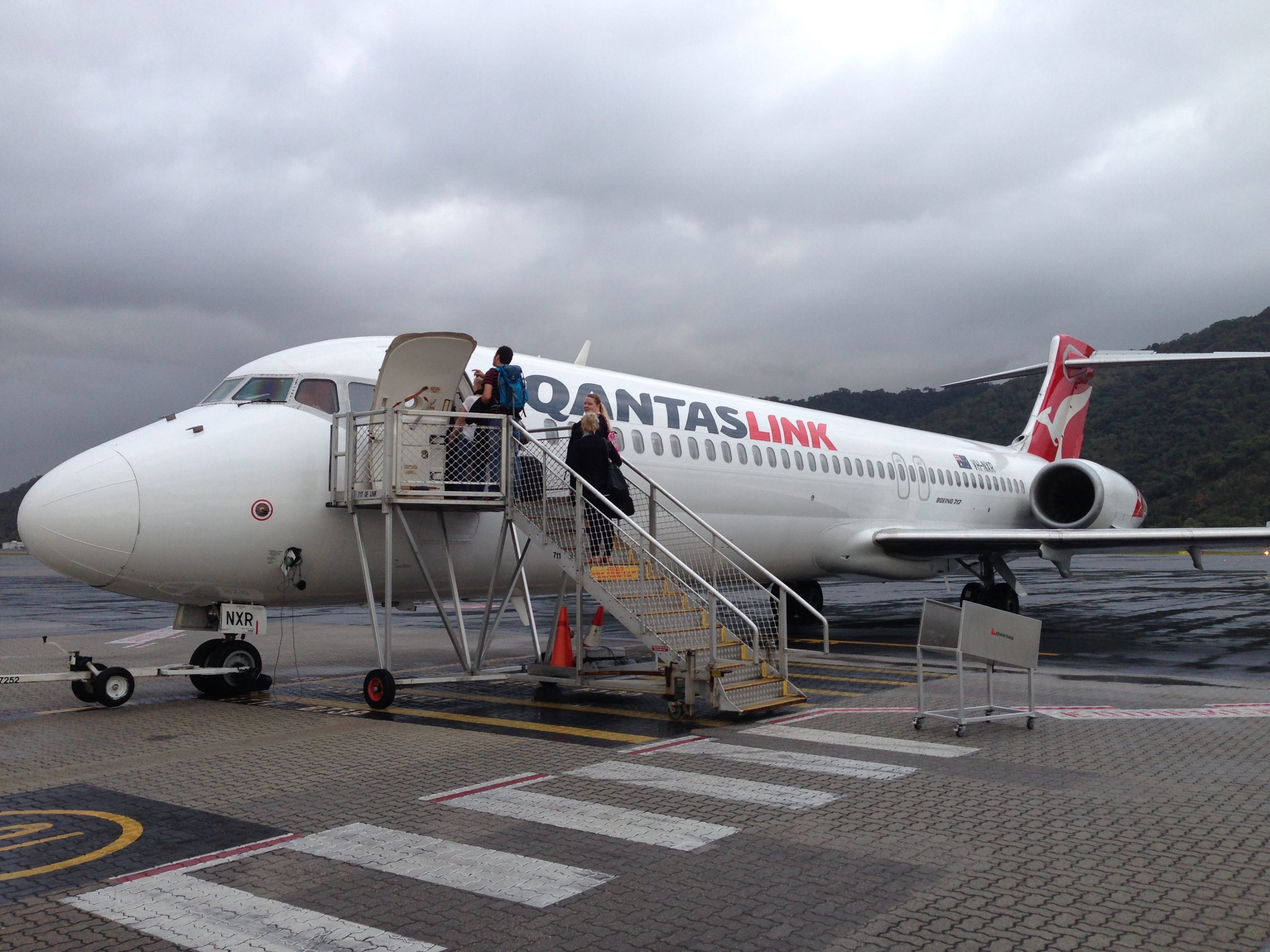
If you're flying GA in Australia and wondering when your turn comes, here's the short version: the door to the airlines is wider open than it has been in a generation — but it still only opens for pilots who arrive with the right paperwork, the right hours and a plan. This article lays out the 2026 market as it actually is: named entry seats and their real minimums, what each GA pathway is worth to a recruiter, honest money numbers, and the risks nobody puts in the brochure.
The market in 2026
The numbers behind the hiring wave are real and worth knowing, because they'll come up in your interview. Boeing's current Pilot and Technician Outlook forecasts around 660,000 new pilots needed worldwide over the next twenty years. Consultancy Oliver Wyman puts the global supply-demand gap at its widest right about now — a shortfall peaking near 24,000 pilots in 2026, driven by a retirement wave and a training pipeline that never fully recovered from the pandemic — and still running at roughly 17,000 into the early 2030s.
At home, every rung of the ladder is pulling. Qantas is deep in fleet renewal with A321XLRs arriving, Project Sunrise A350s now flying and a generational retirement bulge; Virgin Australia is growing again post-rebuild; Rex has emerged from administration under new ownership rebuilding its Saab network; and Alliance's FIFO operation keeps expanding. When a mainline carrier hires a regional captain, the regional upgrades a first officer, which opens a seat that pulls a GA pilot up. That cascade runs all the way down to you.
One honest caveat before the pep talk goes to your head: aviation is cyclical, and everyone who was around in 2020 knows how fast the music can stop. The shortage is structural, but hiring comes in pulses. The pilots who win are the ones who are ready when a pulse arrives — not the ones who start their ATPL theory after the job ad goes up.
A decade ago
- 5–10 years in GA before an airline would look at you
- 1,500-plus hours the informal price of a regional interview
- Few structured pathways from training to a multi-crew flight deck
- Many pilots went overseas just to get a first jet job
Today
- Published 500-hour direct-entry seats at QantasLink, Virgin and Rex
- Cadet pipelines at every major group, feeding Q400s, A320s and Saabs
- A retirement-driven cascade pulling GA pilots up every rung
- Faster commands: regional FO to captain in a few years, not a decade
Rung one: choose your GA lane deliberately
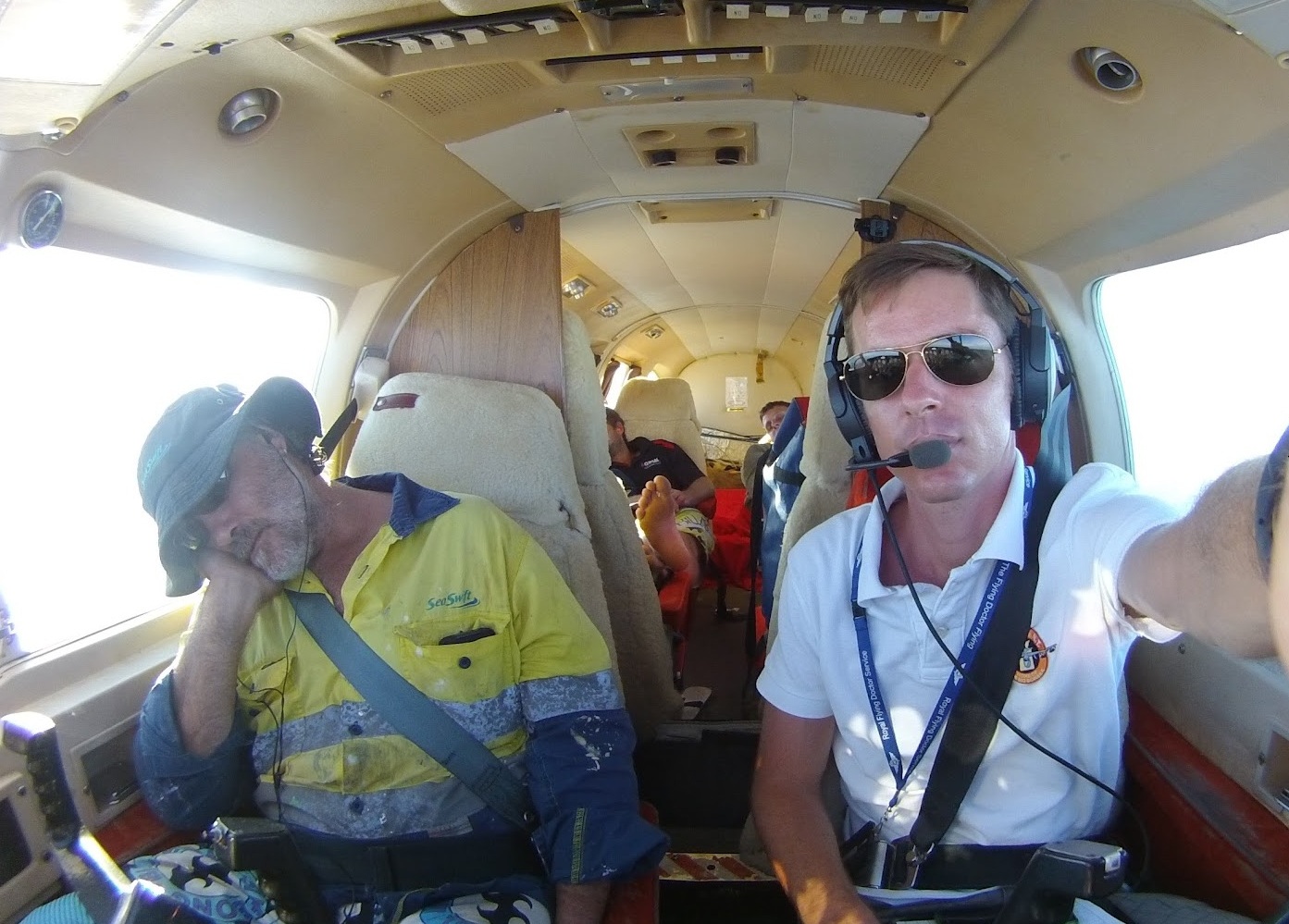
All GA time counts, but it doesn't all count equally. Recruiters read your logbook like a story, and each lane tells a different one.
Instructing is the most common route and quietly makes you a far better pilot — nothing exposes gaps in your own knowledge like teaching. It builds hours steadily, keeps you close to testing standards, and examiners and chief pilots talk to each other. Its weakness: command time accrues fast but multi-engine time usually doesn't, so plan to add ME work late in the lane.
Up-north charter — the Kimberley, the Territory, Cape York — remains the classic Australian apprenticeship: single-pilot IFR-ish decision-making, real weather, heavy loads, strips that punish sloppiness. It delivers exactly the command judgement airlines say they're buying, and it front-loads multi-engine command if you get onto a 310, Chieftain or C441. The lifestyle cost is real; the logbook return is unmatched.
Survey, freight and aerial work — aeromag survey, parcel runs, spotting, jump pilots — build disciplined instrument flying and long-day stamina, often with generous annual hours. Survey especially can fill a logbook fast, though recruiters will probe whether thousands of hours of straight lines came with any decision-making attached. Pair it with something.
GA FIFO and corporate charter in the west — Skippers, Sharp and friends on Metros, Brasilias, PC-12s and King Airs — is the closest GA gets to airline flying: schedules, passengers, multi-crew in some fleets, turbine time. These operators are themselves screening grounds; the majors recruit straight out of them.
Whichever lane you pick, the currency that matters at the exit is the same: command time, multi-engine time, instrument currency and a clean record. Build all four on purpose.
The paperwork ladder (do this early)
Every entry seat below shares the same prerequisites, and none of them can be produced in a hurry. Get your ATPL theory finished well before you need it — all seven subjects must be passed inside a two-year window, and the credit then never expires, so there is no reason to wait. Keep a current multi-engine instrument rating with 2D and 3D approach endorsements; QantasLink lists it, Virgin lists it, and an expired IPC reads as an expired career plan. Hold a Class 1 medical, English Language Proficiency level 6 on your licence, and stay ASIC-eligible. And audit your logbook now — totals reconciled, categories broken out, no arithmetic surprises — because airlines verify it, and one recruiter also cares about recency: QantasLink gives preference to candidates with at least 50 hours in the last 12 months.
Rung two: the entry seats, by name
These are the published or widely reported entry requirements as at mid-2026. They move with the market — treat the airline's careers page as the source of truth the week you apply.
| Operator | Aircraft / base | Entry reality |
|---|---|---|
| QantasLink | Q400 (A220 pathway), east-coast bases | Direct-entry FO from 500 hours total aeroplane time; ATPL theory passes, ME instrument rating with 2D/3D, Class 1, ELP 6. Preference for 50 hours in the last 12 months. |
| Virgin Australia | 737 NG/MAX, capital-city bases | Direct-entry FO from 500 hours total including 300 command and 200 ME command (turbine and 737 alternatives published). COMPASS testing and sim at Aviation Australia, Brisbane. |
| Rex | Saab 340, regional network | FO minimum 500 hours, strong preference for 850-plus with ME/turbine time and ATPLs complete. Interviews batched; hold file then a demanding three-week ground school. |
| Network Aviation | A320/F100, Perth FIFO | Qantas Group's WA arm and a realistic jet entry for western GA pilots; recruits through Qantas Group processes. |
| Virgin Australia Regional | E190-E2, Perth | Around 1,000 hours total with 500 ME command or 500 multi-crew on transport-category types; MCC certificate listed for this fleet. |
| Alliance Airlines | Fokker 70/100, E190; BNE/ADL/PER/CNS/TSV/DRW bases | FIFO and wet-lease flying; a major employer of first-job jet FOs and a proven springboard. |
And the cadet pipelines keep growing around the direct-entry market: the Qantas Group Pilot Academy at Toowoomba, the Qantas Group Future Pilot Program (university partners feeding a twelve-week airline transition course and a QantasLink Q400 seat), the Jetstar Cadet Pilot Program (2026 intake on hold at the time of writing, next round expected to open mid-2026), Virgin's cadetship through Flight Training Adelaide, and Rex's cadet program at the Australian Airline Pilot Academy in Wagga Wagga. If you're already deep in GA, direct entry will almost always beat a cadetship on cost — but know the pipelines exist, because they're your competition.
What recruitment actually tests
Raw hours get you shortlisted; the assessment decides the rest. Expect four filters, in some order: psychometric and aptitude testing (SHL for the Qantas Group, COMPASS for Virgin), a behavioural panel built on structured "tell us about a time" questions, some form of group exercise, and a simulator assessment that measures trainability rather than polish — scan, procedure, communication, and how you respond to coaching. Your GA years are the raw material for all of it: the marginal-weather no-go, the unserviceable aircraft argument with a boss, the strip you refused at last light. Log those stories as carefully as the hours. We've covered the whole process in detail in Cracking the Airline Interview.
Money, honestly
Ignore the folklore in both directions — neither the "you'll starve for a decade" war stories nor the LinkedIn posts about instant six figures. Indicative 2026 numbers, base plus allowances varying by EBA: a Rex Saab first officer starts around $70,000–90,000 and can clear $100,000 with flying and overtime; a QantasLink Q400 first officer sits roughly $80,000–95,000 plus super and allowances; a first-year Qantas 737 first officer lands around $100,000–110,000 and climbs quickly; wide-body mainline first officers approach $200,000; and commands, when they come — years sooner on a regional than they used to — change the picture entirely. The honest summary: the first airline seat is a modest pay rise on good GA money, and the compounding after it is where the career case lives.
AI and the flight deck
No honest career article in 2026 can ignore the question: will automation take the seat you're working toward? The evidence says no — not on any timeline that matters to someone starting now.
The industry's two reduced-crew concepts are extended minimum crew operations (eMCO — two pilots for takeoff and landing, one resting in cruise) and single-pilot operations. Airbus has demonstrated autonomous taxi, take-off and landing on test aircraft, and the manufacturers keep investing. But in June 2025 EASA concluded its multi-year eMCO/SiPO research with a blunt finding: with current cockpit design, an equivalent level of safety to two-crew operations "cannot be sufficiently demonstrated" — and paused the regulatory work accordingly. Pilot associations worldwide remain united in opposition. Regulatory attention has shifted to using the same technologies to support two pilots, not replace one.
The two-crew flight deck will be your working environment for essentially your whole career. As automation grows more capable, the premium shifts to what it can't replace — judgement under ambiguity, manual handling when it counts, and crew coordination. Build those, and you'll be valuable in any cockpit, however it's configured.
The fine print nobody advertises
A no-fluff article owes you the downsides. Aviation hires in pulses and stalls in shocks — build a financial buffer and keep your GA network warm. Your Class 1 medical is the single point of failure for the entire plan; loss-of-licence insurance stops being optional the day flying becomes your mortgage. Some operators bond type-rating training — read what you're signing and price the exit. Base location is a lifestyle decision disguised as a job offer; commuting corrodes rosters and relationships. And seniority systems mean your join date matters more than your brilliance — which is one more argument for being ready early rather than perfect late.
The bottom line
The market is the best it has been in decades, but it rewards preparation, not optimism. Finish the ATPL subjects. Keep the MEIR current. Reconcile the logbook. Pick a GA lane that builds command and multi-engine time, fly it well, and put your applications in before you feel ready — hold files and pools mean the clock starts long before the class date. The right seat isn't a lottery win. It's a checklist, and you can start it today.
Further reading
- Qantas Group — Pilot careers and the QantasLink Direct Entry First Officer minimum requirements (PDF).
- Qantas Group Pilot Academy and the Qantas Group Future Pilot Program (qantas.com).
- Virgin Australia — Pilot jobs and cadetship.
- Rex — Careers and the Rex Pilot Cadet Program.
- Alliance Airlines — Careers.
- Jetstar Cadet Pilot Program (PDF).
- Boeing Pilot and Technician Outlook — the 20-year demand forecast.
- Oliver Wyman Global Aviation Workforce Study — pilot supply and demand through the decade.
- EASA — eMCO/SiPO safety risk assessment research — the study concluded in June 2025.
- Aviation Careers — Pilot Recruitment in Australia 2026 — airline-by-airline process breakdown.
- FlightTest.Net — How to Prepare for ATPL Exams.
This article is general career information for Australian pilots. Airline entry requirements, minimum hours and salaries change frequently and vary between operators and EBAs — always confirm current requirements directly with each operator. Published in June 2026. Not affiliated with CASA or any airline.