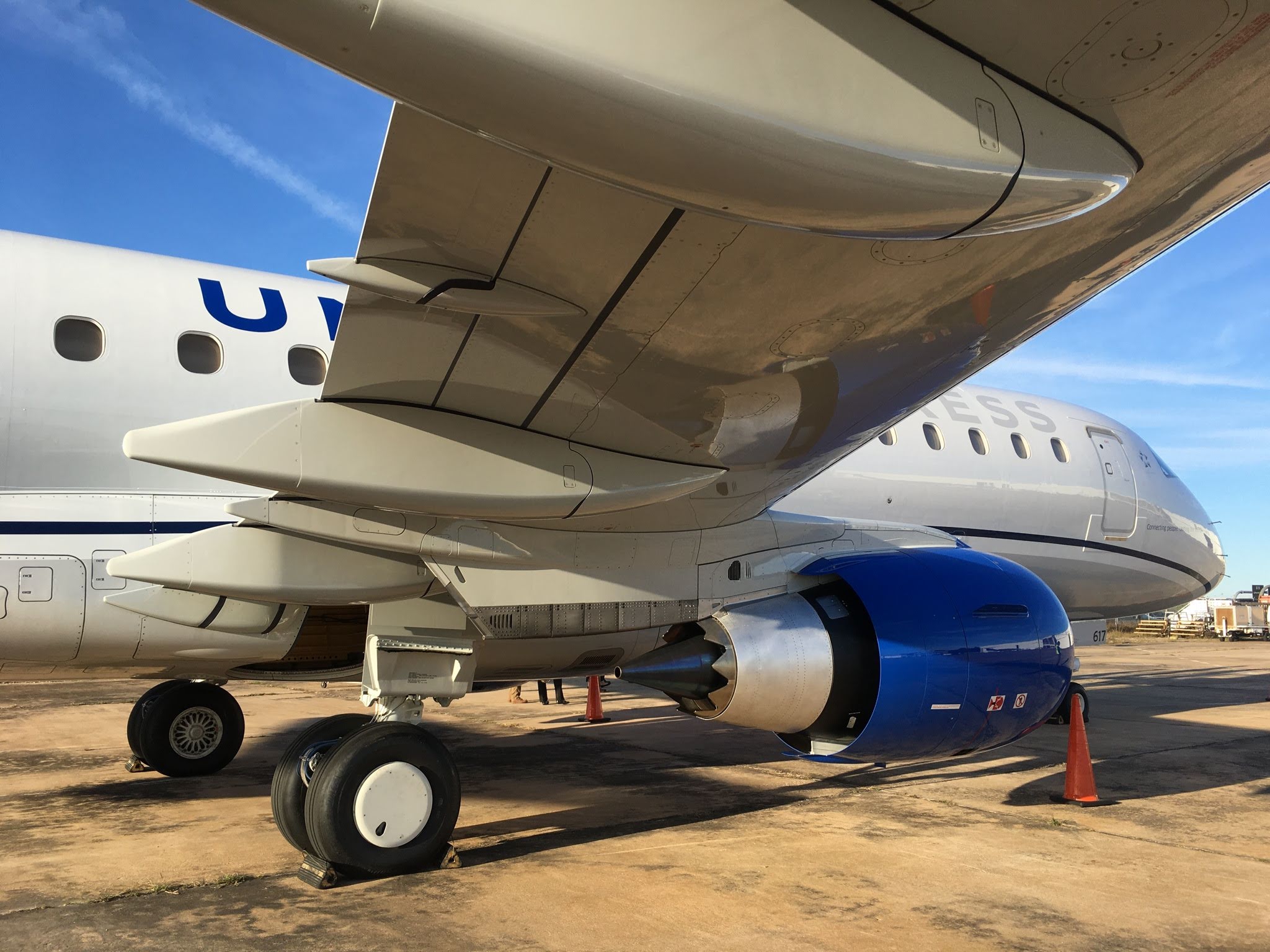
American regionals are desperate for pilots, and they are unable to hire the number of pilots they need, leading to schedule reductions and flight cancellations by the thousands every week. They even have “referral bonuses” so that if you help them recruit new pilots they’ll give you cash.
Visa, travel, accommodation (during training), ATP exam, multi-crew training and type rating are all taken care of by the airline. All you need is a bit of common sense, flexibility to learn new rules, and to keep your idealistic socialist ideas to yourself. They’re also more than happy to hire pilots up to age 60 or so (the maximum age to hold an ATP is 65).
What are the minimum experience requirements?
In most cases you may apply a few months before you meet the requirements, and if you are accepted, let the airline know when you are ready. The exact entry requirements will vary from airline to airline, but below are the most common figures:
- Total time: 1,000–1,500 hours
- Multi-engine: 100–200 hours
- Instrument: 75–100 hours
- Australian ATPL or CPL with ATPL theory passes
- Current Class 1 medical
- Valid English language proficiency (ELP Level 4 or above)
What is the interview like?
The HR questions are pretty standard airline interview questions:
- Tell me about yourself
- What do you know about XYZ Airlines?
- Why do you want to work for XYZ Airlines?
- What do you think you can contribute to XYZ Airlines?
- What are your strengths and weaknesses?
- Do you know what CRM is?
- Tell me about a time you had a conflict with a coworker and how did you handle it?
The more technical questions asked by the captain would follow this style:
- I’ve just emailed you an ILS chart for Asheville NC. Take a couple of minutes to look at it and then we’ll discuss it.
- What is the highest obstacle on the chart?
- How would you fly this approach from Sugarloaf Mt?
- What does NoPT mean?
- You’ve just gone past the ILS IAF and Tower advises visibility has dropped below minima. What do you do?
- Your only lavatory is unserviceable for a 1.5 hour charter flight from Las Vegas to San Francisco. What do you think are the considerations and would you depart?
- As you are doing the aircraft acceptance checklist before the preflight inspection you have reason to suspect the Captain has had alcohol. He also looks fatigued. What would you do?
It’s a good idea to download an American “IFR cheat sheet” and start getting your head around how things work over there in regards to instrument approaches, planning alternates, etc.
How do I choose which airline to apply for?
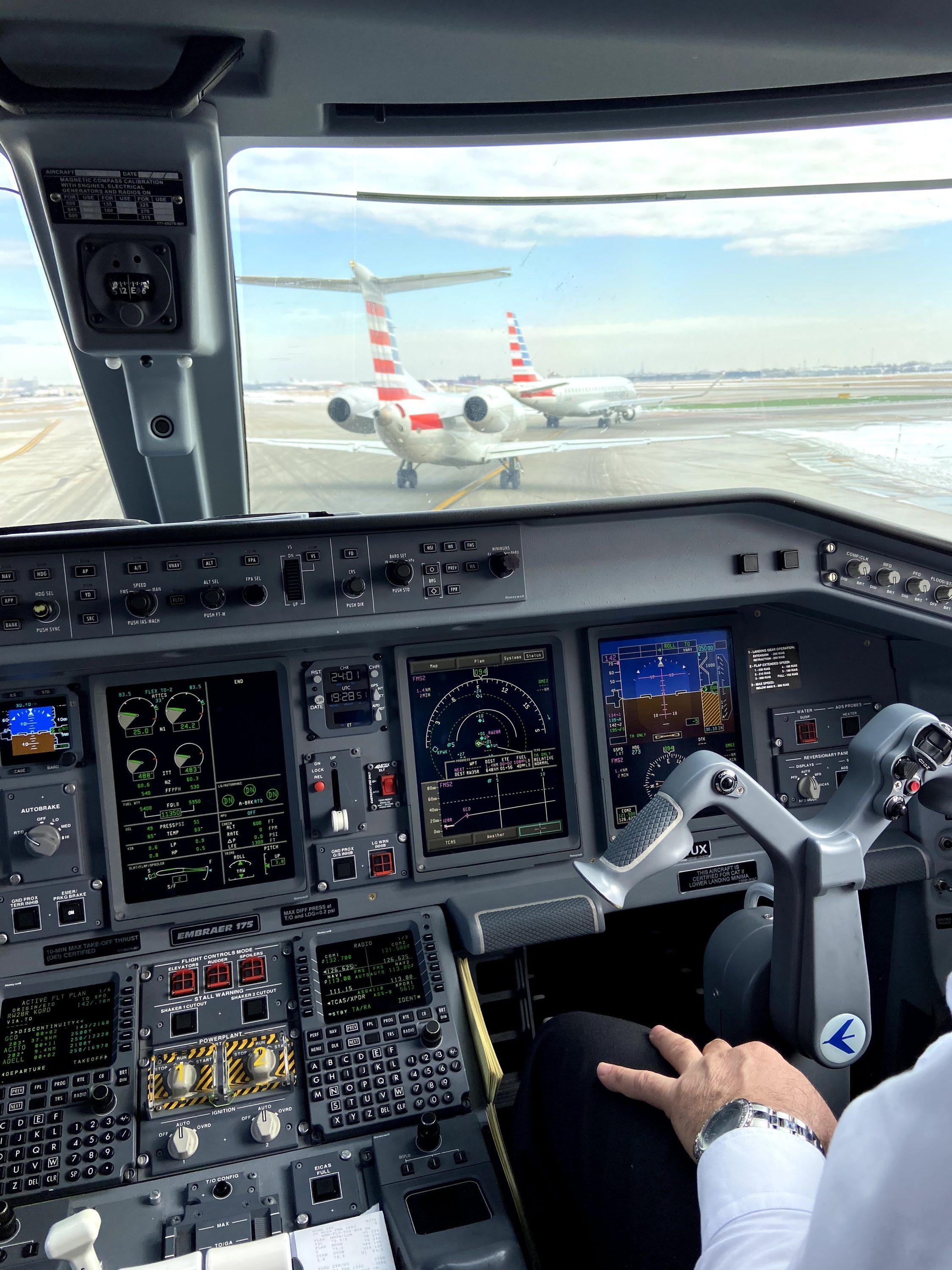
Most of the regional airlines hiring Australians on E-3 visas are partnered with major carriers and operate as regional feeders. Some airlines currently or recently known to hire Australians include:
- GoJet
- SkyWest
- CommutAir
- PSA Airlines
- Frontier (after FAA ATP and Part 121 experience)
- Atlas Air (with multi-crew experience)
- Spirit (after FAA ATP and Part 121 experience)
How do I apply for an E-3 Visa?
The E-3 visa is available exclusively to Australian nationals and is one of the easiest US work visas to obtain. Your sponsoring airline will provide a Labour Condition Application (LCA), which you use to apply at the US Consulate or Embassy in Australia. Processing is typically fast — often same-day at the consulate — and the visa is valid for two years, renewable indefinitely.
Key things to know:
- You must have a job offer and an approved LCA from your employer
- Book an appointment at the US Consulate (Sydney, Melbourne, or Perth)
- Bring your passport, DS-160 form, LCA, offer letter, and qualifications
- Spouses and dependants can accompany you on an E-3D visa — spouses are eligible to work
I’ve applied for the visa — now what?
The clock is ticking. Don’t waste any time — start applying for things and getting documents verified. As an Australian, you’re in for a culture shock when you see how few things you can apply for via online form. At the very best, you’re looking at printing, filling, and scanning forms, then emailing them and hoping someone will get back to you.
Things you can do right now:
- Start the foreign licence verification process with CASA and the FAA (check IACRA)
- Apply for a Restricted Radiotelephone Operator Licence (FCC Form 605)
Things you should do on day 1 when you arrive in the USA:
- Visit the Social Security Administration office to apply for a Social Security Number (SSN) — you’ll need this for almost everything
- Submit your AFSP (Alien Flight Student Program) request online. Your training school will need to provide details. Approval typically takes 3–4 weeks and you cannot start training without it.
Once that’s all done, you could be sitting in your hotel room for about a month:
- Get your first class medical done with an FAA Aviation Medical Examiner (AME)
- Study for your ATP written exam. Your airline will most likely sign you up with Sheppard Air, who provide a database of thousands of questions and answers — an interesting way to study, to say the least.
In summary, how long it takes to start training after arriving in the country depends on a combination of bureaucratic timing and your luck of the draw. It could be anywhere from 1 week to 6 weeks.
What’s training like?
Hopefully your training will be efficient. Since there are four different components to it, it may not be scheduled back-to-back, and in the worst case scenario you can end up with 6 months of training.
ATP-CTP Course
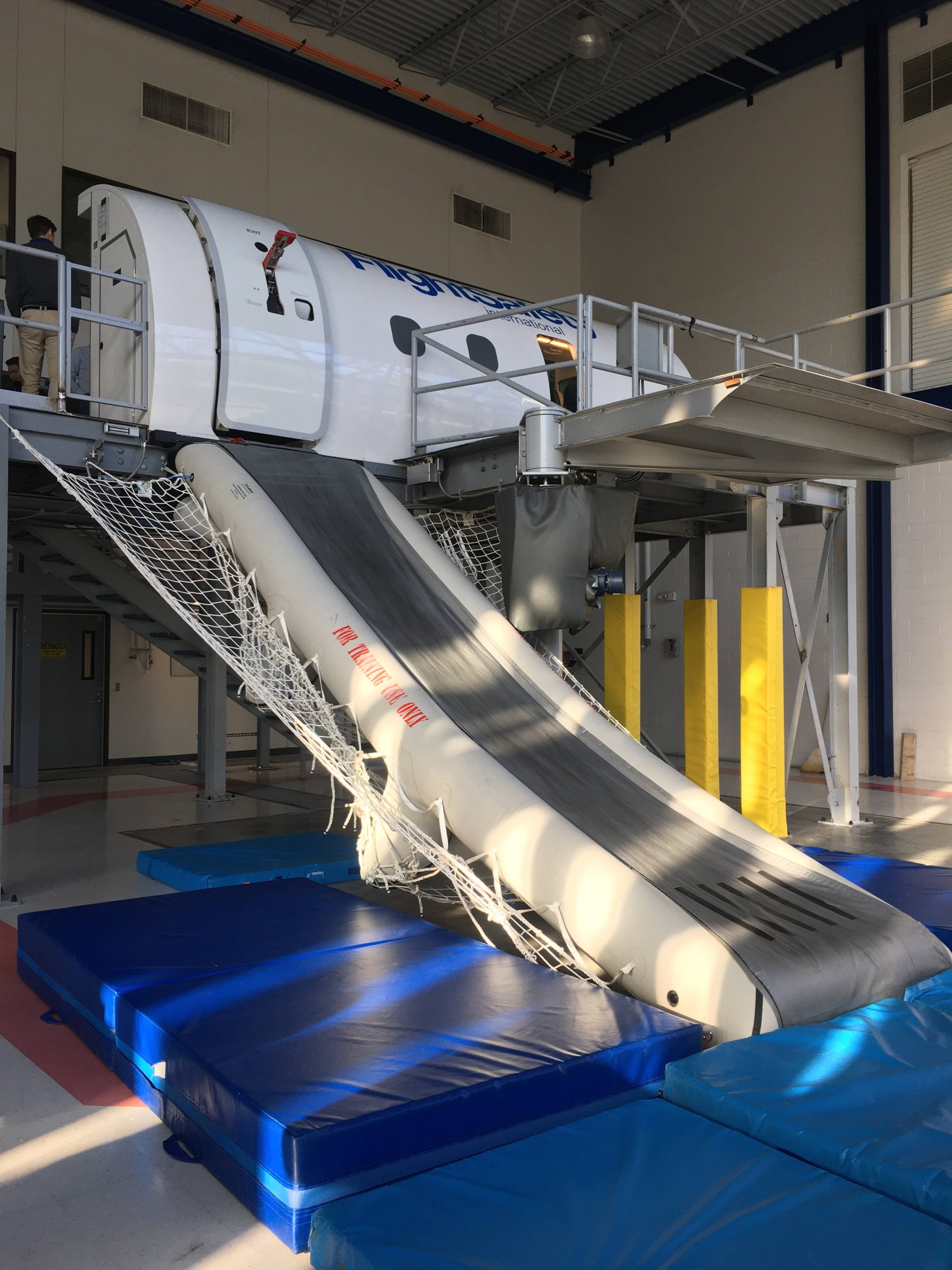
Similar to the MCC course in Australia. You’ll most likely be sent to Dallas for about 8 days — 4 days of classroom CRM, and 3 days of full motion sim (could be any multi-crew jet, such as an A320). Your sim slots will most likely be 4-hour blocks in the middle of the night. On the last day, you’ll sit your ATP written exam. The ATP exam has nothing to do with the ATP-CTP course per se, but since ATP-CTP is a prerequisite, the pairing is efficient.
Type Rating
Conducted at a simulator facility, usually in Dallas or another hub city. Expect approximately two weeks of ground school followed by sim sessions and a type rating checkride with an FAA examiner.
IOE (Initial Operating Experience) / Jump-seating
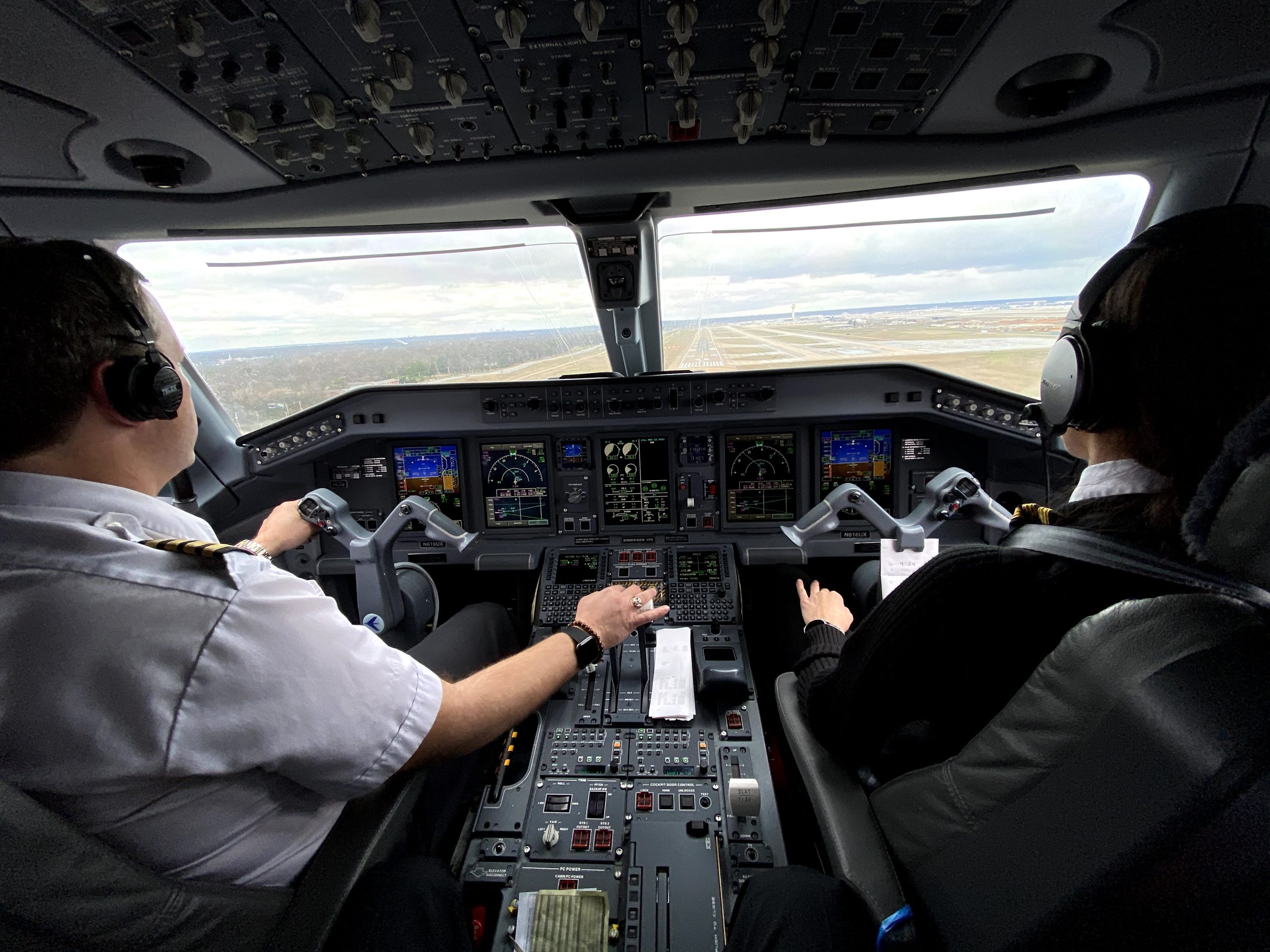
Before starting line training, the airline will give you a few days of jump-seating. They’ll expect you to observe a certain number of sectors (e.g. 5 sectors) before line training begins. You’ll be in uniform and will legally be part of the operating crew.
Line Training
After your type rating, you’ll be assigned a line training roster with trips just like a regular line pilot, only with designated training captains. A normal amount of line training is hard to quantify — it’s competency based — but think 25 to 75 hours. Once your training captain passes your line check, you’ll be a fully qualified First Officer.
What is life like as a regional pilot?
- Hotel life has its perks. The hotels are generally nicer than you’d expect — free buffet breakfast, daily housekeeping, etc. But not having a car is hard, and living off ready meals and Uber Eats takes its toll on your health, happiness, and wallet.
- Reserve (standby) roster. During the first few months you won’t be assigned a fixed flying roster but rather a reserve roster. You won’t know if you’ll be flying, where, or where you’ll be overnighting until hours before departure. You could be on reserve for six months or more, which is difficult, until your seniority number qualifies you to bid for a schedule.
- The USA is an interesting country. Enjoy it while you gain experience, travel like crazy, and get out when you’re ready. Many people love it there and stay — but it’s a significant lifestyle change from Australia.
Can I expect progression onto the ‘majors’?
After spending only a year or two in the regionals, you can currently apply for Spirit or Frontier to fly an A320, or Atlas Air to fly a wide-body B767, B777, or B747.
Without U.S. residency — which is difficult to attain — you are currently unlikely to be considered by the major airlines (American, Delta, United, Southwest). That said, with the pilot shortage deepening, green cards are likely to become an option for pilots in the near future.
How does the cost of life in the U.S. compare to Australia?
My advice is to never try to convert USD into AUD. Just treat a Dollar as a Dollar. If you’re used to paying A$4.50 for a coffee in Australia, it will cost U$4.50 in the U.S. too. A salary of $50k will give you a similar lifestyle in both countries — groceries are slightly cheaper, rent is slightly more variable. The price of rent and buying a car will vary greatly from city to city, so factor cost of living into your choice of domicile, as the salary generally won’t.
Anything else I should know?
If you move to the USA, be ready for a paradigm shift and a culture shock bigger than you’re expecting. Here are a couple of important things to sort out when you arrive:
- Social Security Number: Go to the Social Security Administration on day 3 (after you’ve been in the country a couple of days, which some offices require). You’ll need your SSN for a bank account, lease, phone plan, and almost everything else.
- Credit score: In Australia, having no debt is a sign of financial responsibility. In the USA, having no debt means you have no credit history — and no credit history means you can’t get a car loan or rent an apartment. On day 3, after the Social Security office, open a bank account and get yourself a secured credit card. You give the bank a $500 deposit, they give you a $500 limit. After about 6 months of responsible use you can upgrade to a regular card and start building a real credit score. Start early. To learn more watch this and this.
I’m still thinking about it. Should I do it?
You’ll regret it if you don’t.
Further reading
Written by David Roses, last updated 2022. Not sponsored by any interested parties.