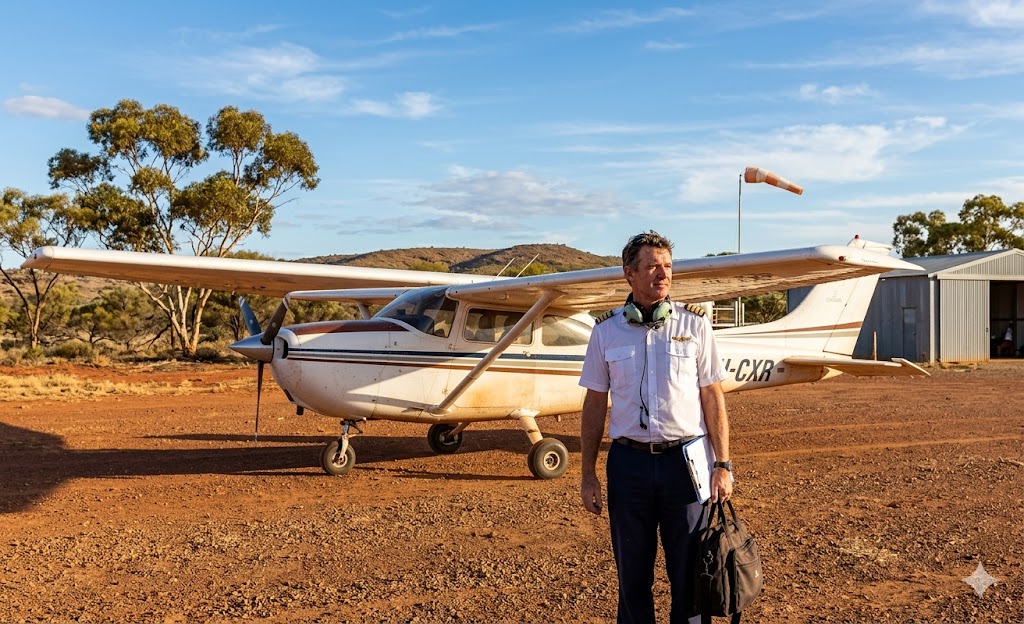
Australia's general aviation industry runs on commercial pilots, and right now it can't get enough of them. Flying schools want instructors, charter and scenic operators want line pilots, and the survey, freight and mustering world is perpetually short-handed. If you hold a CPL issued overseas — by the FAA, the UK CAA or EASA, South Africa, Canada or anywhere else — you're a genuinely attractive prospect here. The catch is that your licence itself stops at the border. Your hours don't: every entry in your logbook counts in Australia. What CASA converts is the piece of plastic, and the process, while bureaucratic, is well-trodden. Here's how it works in 2026.
Two pathways, one shortcut
Decide first whether you actually need a full conversion. A permanent conversion gives you an Australian CPL that never expires, so long as you keep a medical and flight review current — the right answer for anyone building a career here. A Certificate of Validation (CoV) is the lighter option: it authorises you to fly Australian-registered aircraft for a specific purpose for up to 12 months, which suits a ferry flight, a single season or a fixed-term contract without the full paperwork.
And the shortcut: New Zealand licence holders are a special case. Under the Trans-Tasman Mutual Recognition arrangements, an NZ CPL can be recognised in Australia far more simply than any other foreign licence. If your ticket is from NZ CAA, start there.
Does your licence qualify?
CASA converts licences issued by ICAO contracting states only, and yours must be current, valid and clean — no suspensions, cancellations or authority-imposed restrictions. A lapsed licence is much harder to deal with, so if yours needs renewing, do it at home before you begin. You'll also provide logbook evidence showing you meet the Australian CPL experience minimums; anyone holding a genuine ICAO CPL will normally clear these comfortably.
One clarification worth making early: CASA deals with your licence, not your right to work. Visas and work rights sit with the Department of Home Affairs and are an entirely separate exercise.
The paperwork — start the slow part first
The sequence begins with an Aviation Reference Number (ARN), followed by an application through the myCASA portal using Form 61-4A, the application for a flight crew licence on the basis of overseas civil qualifications. Attach certified copies of your licence, ratings, medical and identity documents, with certified English translations for anything that needs them.
Then comes the step you can't hurry: CASA verifies your licence directly with the authority that issued it, and some foreign regulators answer in days while others take months. This is the conversion's choke point, so lodge your 61-4A first and use the waiting time well. While verification grinds along, get your Class 1 medical through a CASA-designated aviation medical examiner (DAME) — overseas medicals don't transfer — start your ASIC or AVID security identification, and organise evidence of Aviation English Language Proficiency at level 4 or better, either shown on your existing licence or via an assessment.
When CASA finishes its assessment, it sends you a letter listing exactly what you must complete. Read it carefully, and note the deadline buried in it — more on that below.
The theory exams
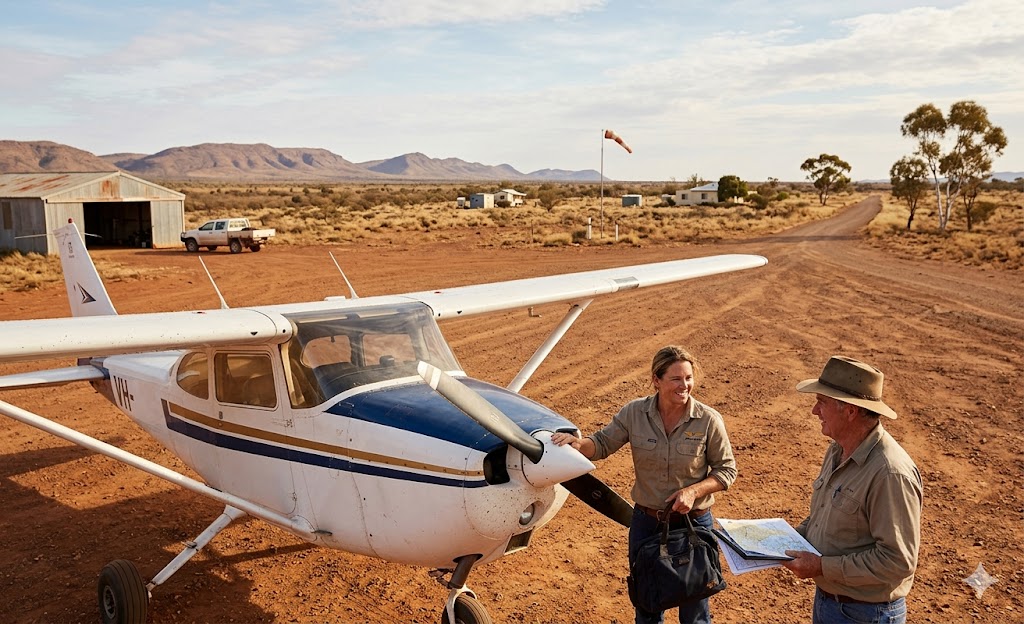
CASA recognises no foreign exam credits, so regardless of what you passed at home, you'll sit the Australian conversion exams. The mercy is that there are only two, not a full theory suite.
For an aeroplane CPL they are CHUF, the commercial human factors exam, and COSA, the CPL overseas conversion exam covering Australian air law, operational rules and procedures. Helicopter pilots sit COSH in place of COSA. The papers are attempted separately but must both be passed within the same exam window. Each runs two hours with an 80 per cent pass mark, and each is sat with permitted reference materials — you nominate either the Airservices or the Jeppesen document set, and mixing the two isn't allowed.
Two traps for the unwary: the exams can only be sat inside Australia, so don't plan to clear them before you arrive, and if you intend to convert instrument privileges you'll add the IREX to your list.
Don't underestimate COSA. Australian airspace, CTAF procedures and operational rules have plenty of local flavour, and the exam is precisely where that flavour lives.
The flight test
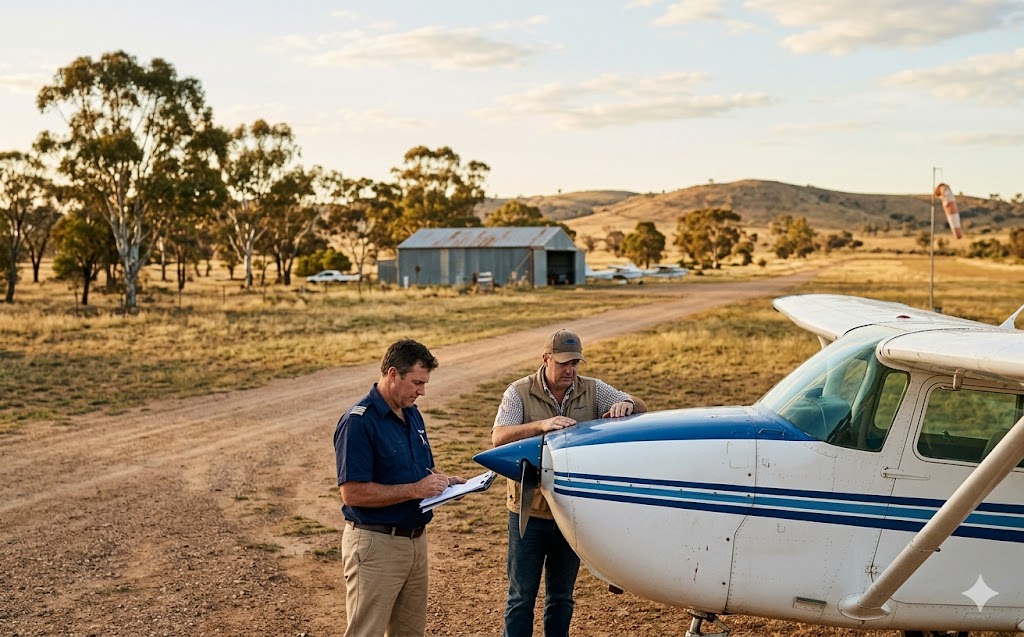
A commercial conversion always ends in the air: a formal, pass-or-fail CPL flight test flown single-pilot in a real aircraft with a CASA-authorised flight examiner. Expect a thorough ground component on privileges and limitations of the licence, AIP, planning, weather and NOTAMs, then an assessment of your handling, navigation, radio work and — the part that surprises experienced foreign pilots — your fluency with local procedures, from CTAF etiquette to airspace transitions.
The smart preparation is a few hours of dual with a local school before test day. You already know how to fly; what you're buying is familiarity with Australian charts, briefing via NAIPS, local phraseology and the quirks of the airspace you'll be tested in. Pilots who invest in that familiarisation walk into the test relaxed. Those who don't tend to fly well and still get caught by procedure.
Ratings are tested separately where they apply — converting an instrument rating, for instance, means the initial instrument rating flight test, not a proficiency check — while class ratings such as multi-engine generally carry across with a flight review. Once your tests are passed, Form 61-4B finalises the application and the licence is issued.
Watch the clock
Two timing realities matter. First, the whole exercise realistically takes three to six months, mostly thanks to verification and scheduling. Second, CASA's assessment letter is valid for 12 months — let it lapse with requirements outstanding and you start again, exams included. Run everything you can in parallel: verification first, medical and security ID immediately, study while you wait, sit both exams close together, then book the examiner.
The bottom line
A foreign CPL plus an Australian conversion equals a career in one of the world's great GA markets. The process rewards organisation, punishes drift, and finishes the same way every Australian commercial licence does — in an aircraft, beside a flight examiner. Get the paperwork moving, respect the exams, fly a little local dual, and book that test with confidence.
Further reading
- CASA — Converting an overseas flight crew licence
- CASA — Conversion exams for commercial pilot licences (CHUF, COSA and COSH details)
- CASA — Certificate of Validation on the basis of foreign qualifications (Form 61-4cov)
This article is general information for pilots converting to an Australian licence. CASA requirements, forms and fees change — always confirm the current process directly with CASA before applying. Written by David Roses, June 2026. Not affiliated with CASA.